


This is Part 2 of our Green Incentives series, which examines the opportunities afforded by existing grants and incentives and how companies can strategically capitalise on them to turn sustainability into a competitive edge. Read Part 1 here.
As Europe doubles down on its climate targets, both the EU and the UK are transforming their climate ambition into action through an expanding portfolio of incentive programmes. These initiatives are designed not only to help companies reduce emissions but to enable long-term innovation, investment, and resilience in the transition toward carbon net zero.
From cutting-edge clean tech research to full-scale industrial decarbonisation, these funding mechanisms are opening doors for companies ready to lead. Whether you’re upgrading facilities or scaling green innovations, these incentives go beyond mere compliance — they unlock strategic funding and meaningful financial impact.
In this article, we unpack the most significant low-carbon and decarbonisation initiatives in the EU and UK, outlining who can apply, what’s on offer, and how leading companies are already using these tools to transform their operations.
The EU’s green transition: Innovation funding for business decarbonisation
Horizon Europe: Fuelling breakthrough clean tech
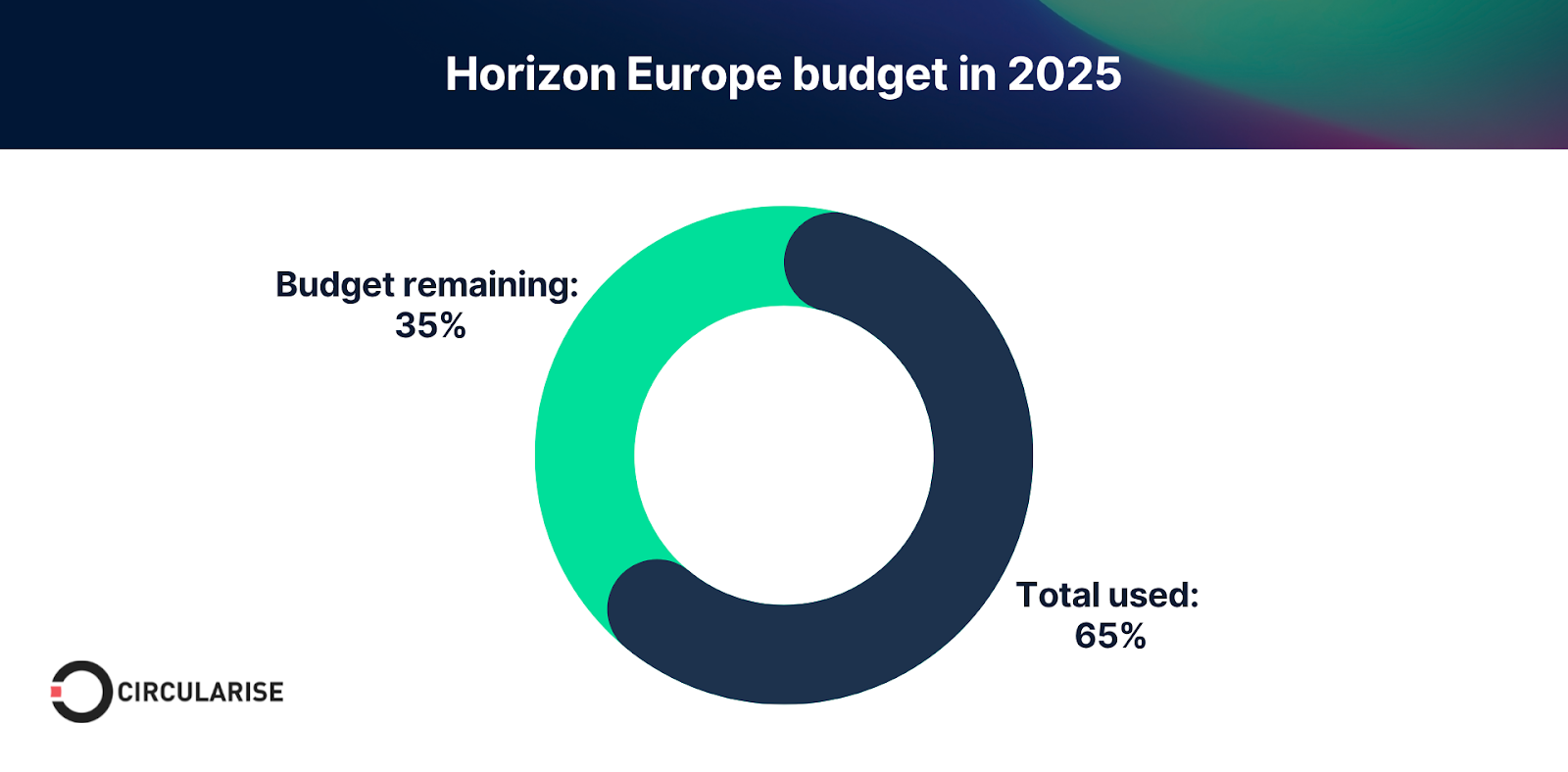
The Horizon Europe programme is the EU’s largest ever funding initiative for research and innovation, with a total budget of €95.5 billion to be spent between 2021 and 2027.1 A core part of the European Green Deal, the programme supports projects that push the boundaries of science and technology, especially those accelerating the low-carbon transition.
Eligible participants include EU-based businesses, research institutions, and international partners who collaborate with EU entities. Horizon Europe offers non-repayable grants to support the research and development (R&D), piloting, and commercialisation of technologies with high decarbonisation potential.1
One example is Dell Technologies, which received €16 million via the BRAINE project to develop AI-powered edge computing infrastructure. The project reduced energy usage by optimising cooling systems, improved computing performance, and expanded research capacity, demonstrating how early-stage funding can deliver environmental and commercial value.2
💡 INSIGHT: Early movers in EU-funded clean tech aren’t just innovating, they’re shaping the standards others will have to follow. Horizon Europe provides companies with the opportunity to lead, rather than catch up.
EU innovation fund: Scaling up industrial decarbonisation
While Horizon Europe focuses on innovation at the research and development stage, the EU Innovation Fund targets more mature, market-ready technologies. With €40 billion in funding available through 2030, the fund is one of the world’s largest public financing programmes for climate innovation.
The Innovation Fund supports large-scale industrial decarbonisation projects, particularly in energy-intensive sectors. Companies from EU member states and associated countries are eligible to apply, while non-EU firms may participate as strategic partners. Grants can cover up to 60% of total project costs, reducing investment risk and encouraging early commercial deployment.1
A standout case is Nova Innovation, a tidal energy company based in Scotland. With Innovation Fund support, the company launched a 16-turbine tidal array in the Orkney Islands, advancing the EU’s renewable energy capacity and highlighting how strategic funding can drive both emissions reductions and corporate decarbonisation leadership.4
💡 INSIGHT: In hard-to-abate sectors, going green is costly, but not going green will cost even more. The Innovation Fund gives heavy industry the firepower to decarbonise without derailing profitability.
InvestEU: Mobilising green capital
As part of the EU’s broader Green Deal strategy, InvestEU supports projects that contribute to clean mobility, renewable energy, circular economy models, and industrial decarbonisation. While it does not offer direct grants, this initiative provides guarantees, equity, and debt financing through a network of implementing partners, including the European Investment Bank (EIB), national promotional banks, and other financial institutions.
Both EU-based companies and public or private project developers (including SMEs and large corporations) are eligible for funding. Non-EU businesses can also benefit, provided their projects are based in the EU or support EU policy goals. Instead of applying directly to the European Commission, interested companies must submit a detailed investment proposal to an InvestEU implementing partner, such as the European Investment Bank (EIB) or national promotional banks. Projects are evaluated based on their financial soundness, alignment with EU sustainability objectives, and long-term impact.
For example, in 2020, the EIB provided a €25 million loan to Spain's Zanini Auto Group to finance its R&D activities. This investment aimed to support the company's development of advanced automotive components, enhancing competitiveness and contributing to the EU's objectives for innovation and sustainable growth in the automotive sector.9
One high-profile example is Northvolt Ett, which received InvestEU support to build a lithium-ion battery gigafactory in Sweden. This initiative strengthened the EU’s clean energy supply chain and demonstrated how blended finance tools can advance industrial-scale decarbonisation while delivering strategic and economic value.10
💡 INSIGHT: With InvestEU, strategic green projects don’t have to stall for lack of funding. Blended finance tools such as guarantees and loans help de-risk bold investments, making it easier for companies to scale climate solutions and lead Europe’s green reindustrialisation.